Pink Hibiscus Embroidery Design: A Tropical Touch for Business Branding
First Impressions: Bold, Elegant, and Perfectly Tropical
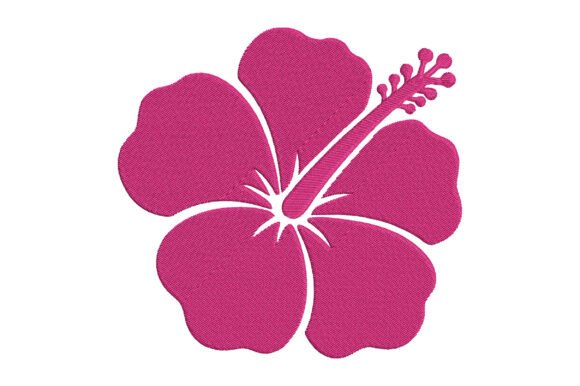
As an embroidery designer evaluating the Pink Hibiscus Embroidery Design, my first thought is that it delivers a strong visual punch with a tropical flair. The description promises a "bold and elegant pink hibiscus flower," and that's exactly what I expect to see—something vibrant, eye-catching, and versatile enough for both casual and semi-formal branded merchandise.
From a branding perspective, this design leans into a playful yet professional aesthetic. It’s not overly rustic or handmade-looking, which makes it suitable for businesses that want to maintain a polished image while still embracing a bit of seasonal or regional flair.
Real-World Business Applications: From Patches to Product Packaging
Let’s talk practicality. Small businesses—from cafés to boutiques—are always on the lookout for embroidered elements that elevate their merch without looking too crafty or amateur. The Pink Hibiscus Embroidery Design strikes a nice balance. Here’s how it can be used across different business applications:
- Embroidered patches: Ideal for sew-on or iron-on patches that can be added to jackets, bags, or even packaging inserts. The bold nature of the hibiscus ensures it won’t get lost on larger items.
- Staff uniforms: Works well as a chest logo or sleeve accent, especially for summer-themed businesses like beachwear boutiques or tropical-themed cafes.
- Apron embroidery: Adds a touch of personality to kitchen or retail staff wear, especially in bakeries or floral shops.
- Cap embroidery: The design could be scaled down for a cap front, but more on that later.
- Tote bag branding: A great way to enhance reusable tote branding with a splash of color and identity.
- Product packaging accents: Use the design as a stitched label or embroidered tag on handmade product packaging for a premium finish.
For Etsy sellers or handmade brands, this design can become a recurring asset across seasonal collections. It also pairs well with other single flowers for creating cohesive design sets.
Where to Use with Caution
While the Pink Hibiscus Embroidery Design has a lot going for it, there are a few scenarios where extra care is needed:
- Small patch sizes: The intricate details of the petals and center may not translate well at very small dimensions. Always test at intended size.
- Cap fronts and curved surfaces: Embroidery on curved surfaces can distort the design, especially if stitch density is high.
- Dark uniforms: Pink thread may not pop as expected on black or navy fabric without proper underlay or contrast testing.
- Frequent washing: High stitch density can affect durability over time, so ensure the design is optimized for wear resistance.
- Textured fabrics: Rough or uneven materials can cause the embroidery to pucker or lose definition.
Brand Identity and Customer Perception
Branding is more than just slapping a logo on a shirt. It’s about consistency, quality, and emotional connection. The Pink Hibiscus Embroidery Design can help small businesses create a visual identity that feels both premium and approachable.
When used consistently across uniforms, packaging, and promotional items, this design builds brand recognition and adds a handmade touch that resonates with today’s conscious consumers. It’s not just decorative—it’s a strategic part of your brand identity toolkit.
For craft businesses and local brands, this kind of design can help communicate a story of authenticity and care. It subtly tells customers, “We pay attention to the details.”
Designer Notes: What to Check Before Production
Before you commit this design to a production run, here are the key checks every embroidery designer should perform:
- Test in black and white first: Helps assess contrast and detail before committing to thread colors.
- Check small patch performance: Does the design hold up when scaled down? Are outlines crisp?
- Review thread color contrast: Especially important for use on dark or textured fabrics.
- Inspect spacing and density: Avoid overly tight stitching that could pucker fabric or wear out quickly.
- Confirm hoop size compatibility: Ensure your machine can handle the hoop size required for the design.
- Test on real fabric: Mock up the design on the intended material to check for texture and tension issues.
- Use proper stabilizer: Prevents shifting and puckering, especially on stretchy or delicate fabrics.
- Create a printable mockup: For client approval or internal review before stitching begins.
- Compare with other design assets: Make sure it fits visually with your other logos and branding elements.
- Confirm commercial licensing: If using the design for resale or client work, always verify it’s cleared for commercial embroidery use.
Final Thoughts: A Smart Addition to Your Design Assets
The Pink Hibiscus Embroidery Design is more than a decorative element—it’s a digital embroidery file with real business potential. Whether you're creating a branded embroidered patch for a local florist or customizing tote bags for a boutique, this design offers flexibility, style, and brand-building value.
For small business owners and product designers, it’s a reminder that thoughtful design choices can elevate even the simplest merchandise. And for machine embroidery professionals, it’s a solid test of your ability to translate digital files into durable, visually consistent finished products.
Use it wisely, test thoroughly, and let it become part of your go-to design assets for summer branding and beyond.