Orca Whale Embroidery: Bold, Striking, and Ready for Real Projects
First Impressions: A Powerful Marine Presence
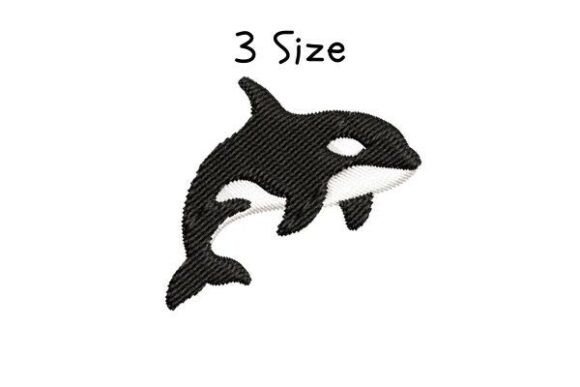
The Orca Whale Embroidery immediately stands out with its bold silhouette and clean lines. It captures the essence of a marine predator with confidence and visual impact. As a designer who works with both personal and commercial embroidery projects, I appreciate how this design balances detail without overcomplicating the stitch work. It’s unmistakably part of the Marine Mammals category, but it doesn’t feel overly cute or cartoonish. Instead, it leans into a more refined, stylized realism that works well across a range of embroidery applications.
Real-Life Use: From Sweatshirts to Baby Onesies
I recently tested the Orca Whale Embroidery on a custom embroidered tote bag and a baby sweatshirt. On the tote, the whale’s strong outlines and negative space between the fins and tail gave it a clean, professional finish. The stitch density felt balanced—dense enough to hold up on a durable cotton canvas but not so heavy that it created stiffness or puckering.
On the baby sweatshirt, I was curious how the design would scale down. It held up surprisingly well, especially considering the small size options included. The eye detail remained visible, and the contrast between the black body and white patches stayed distinct. This makes it a great option for personalized gifts, custom apparel, and small shop products that need to look sharp at a glance.
Where It Shines: Commercial Appeal and Visual Clarity
One of the standout features of this machine embroidery design is its adaptability. Whether you're creating holiday embroidery on a tea towel or a boutique sweatshirt, the whale’s silhouette reads clearly and cleanly. It’s the kind of design that can elevate a handmade product without overshadowing the garment or fabric it’s on.
For Etsy sellers and creative entrepreneurs, this design offers solid visual appeal that can translate well into product photos and printable mockups. The boldness helps it stand out in digital previews and on physical items alike, which is key when marketing digital embroidery files or design assets.
Caution Zones: Fabric and Placement Considerations
While the Orca Whale Embroidery performs well in most cases, there are a few situations where extra care is needed. I noticed on a stretchy cotton blend sweatshirt that the design pulled slightly at the edges during stitching. Using a lightweight cutaway stabilizer helped maintain the shape and prevent distortion.
Dark fabrics also require attention to thread color contrast. The white patches may need a lighter thread or even a subtle underlay to pop properly. On curved surfaces like baseball caps, the design still works, but it's best placed on the flat front panel rather than wrapped around the curve.
Stitching Clarity and Fabric Texture
This embroidery file uses a combination of satin and fill stitches effectively. The outer lines are crisp, and the internal fill stitches lay flat without excessive buildup. That’s a win for durability and comfort, especially on baby clothes or everyday wearables.
Texture plays a role too. On a soft flannel baby blanket, the whale’s shape still read clearly, but the satin-stitched eye softened a bit. It’s worth testing on your intended fabric before committing to a full run, especially for commercial embroidery projects.
Product Value and Customer Trust
From a business standpoint, the Orca Whale Embroidery adds value to finished products. It’s recognizable, distinctive, and has a level of quality that suggests attention to detail. Customers respond well to that—especially when they’re looking for personalized gifts or handmade products that feel intentional and well-made.
For small shop owners or craft fair products, this design can help build brand consistency when used across multiple items like patches, aprons, and totes. It’s also a good candidate for seasonal collections—think coastal-themed holiday gifts or nautical nursery decor.
Design Notes for Embroidery Professionals
- Test on scrap fabric first—especially stretchy or textured materials.
- Check thread color contrast if stitching on dark or light backgrounds.
- Review stitch density to avoid stiffness on baby items or soft garments.
- Confirm hoop size fits your machine before stitching.
- Inspect small details like the eye and fin edges for clarity at reduced sizes.
- Test in black and white mockups to ensure visual balance.
- Compare light and dark fabric backgrounds to see which enhances the design most.
- Use proper stabilizer to prevent distortion, especially on curved or stretchy surfaces.
- Verify licensing if you’re selling finished items or including the design in digital product bundles.
Final Thoughts: A Reliable, Impactful Design
The Orca Whale Embroidery is a strong addition to any embroidery designer’s toolkit. Whether you're creating a custom embroidered patch, a boutique sweatshirt embroidery, or a personalized gift, this design delivers consistent results with minimal fuss. It’s versatile, recognizable, and visually compelling—exactly what you want when selecting design assets for real-world use.
For digital product sellers and craft business owners, it’s a smart choice that can help elevate your offerings and stand out in a crowded market. Just remember to test it thoroughly before production and consider fabric and placement carefully to get the best results.